ADA Portable Toilet Rental Guide to Accessible Entrances and Landings
When individuals envision an ada mobile toilet rental, they often concentrate on the unit itself, the bigger door, the added indoor space, the grab bars. Those attributes matter, of course. But in technique, a few of the greatest accessibility failings happen prior to a person even reaches the threshold. A well-appointed ada portable restroom can still be pointless if the technique is harsh, the entrance is blocked, or the touchdown before the door is too tight to steer safely.
That void in between "we rented out the appropriate system" and "somebody can really use it independently" is where many event coordinators, property managers, and site organizers obtain tripped up. I have actually seen this take place in settings that suggested well and spent real cash on conformity. The available unit arrived promptly, it was clearly classified, and it looked right from a distance. Then the last positioning put it on soft ground, behind a row of basic devices, or at the end of an uneven path that a mobility device customer could not conveniently take a trip. Theoretically, an easily accessible washroom was present. In genuine usage, it was successfully out of reach.
If you are organizing ada certified portable restrooms, the entrance and landing are worthy of the exact same focus as the rental order itself. The federal framework is clear concerning the big factors. The regulating requirement in the USA is the 2010 ADA Specifications for Accessible Design. For portable commode clusters, a minimum of 5 percent of the systems in each cluster should come, which scoping uses even at short-term events. The available unit has to be identified with the International Sign of Access. It likewise needs to have an obtainable route and entry, and when ramps or landings are needed, those features should satisfy the ADA technological demands. Past the strategy, the system itself have to satisfy applicable toilet-room needs such as clearances, turning space, door navigating clearances, and pertinent grab-bar and water-closet rules.
That sounds simple up until you place it on the ground.
The entrance becomes part of the restroom
A typical mistake is treating the portable unit as a stand-alone things. In truth, accessibility begins prior to the door. If a visitor, employee, patient, viewer, or site visitor can not travel the course to the toilet and setting themselves at the entrance with enough area to open and pass through the door, the fact that the indoor fulfills ada mobile bathroom requirements does not resolve the problem.
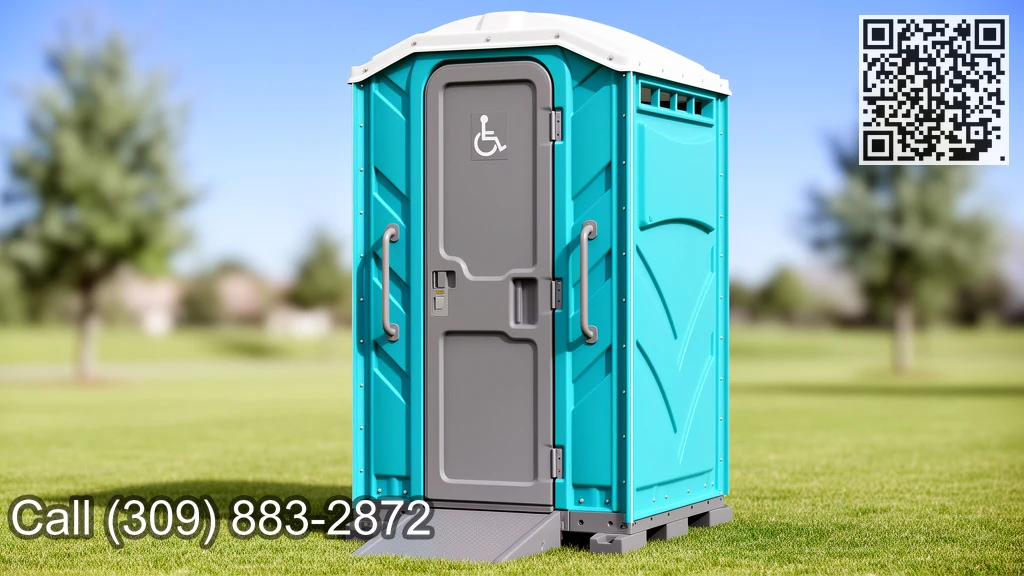
This is specifically essential since portable bathrooms are rarely established on ideal sites. They show up on turf areas, gravel great deals, fairgrounds, short-lived work zones, parking areas, and event spaces that were never ever made as permanent bathroom areas. A site can look acceptable to an able-bodied person and still produce actual barriers for someone utilizing a wheelchair, pedestrian, walking stick, or other mobility help. The limit location ends up being the pressure factor. It is where turning, getting to, placing, and opening the door all come together.
That is why the expression ada easily accessible portable restroom need to never ever be lowered to "larger unit." Ease of access is a chain. The route, approach, entryway, landing, door, indoor clear area, and fixtures all depend on each other.
What the ADA framework actually calls for here
The most helpful method to consider compliance is to divide scoping from technical details.
Scoping informs you when easily accessible devices are needed. For clusters of portable single-user toilet units, a minimum of 5 percent of the devices in each collection need to be accessible. If you have a short-lived event with mobile bathrooms organized together, that rule still applies. Temporary does not indicate optional.
Technical needs control just how the accessible device and its method have to operate. The confirmed factors that matter most for entrances and landings are these:
- The unit have to be on an accessible route.
- The entryway need to be accessible.
- Any required ramps and landings should follow ADA technical requirements.
- The device should include called for toilet-room attributes such as transforming space and door maneuvering clearances.
Those factors sound broad since they are. The ADA criteria include detailed technical policies, and the mistake I see frequently is presuming that a supplier's inventory label alone guarantees the whole installment is certified. A vendor can supply an ada compliant mobile toilet or ada-compliant portable toilet, but the final setup still depends upon where and just how the unit is placed.
That difference matters for obligation and for customer experience. The supplied product may be proper. The installment may still fail.
The cluster regulation adjustments planning
The 5 percent regulation for every cluster is very easy to take too lightly. Individuals occasionally count the overall variety of commodes across a whole site and think they can put the easily accessible devices in one hassle-free location. That can create lengthy traveling distances and properly isolate gain access to. The verified rule is based on each collection, not just the site-wide total.
Imagine a fairground with portable commodes organized near the primary gateway, the food court, and the show area. If those are separate clusters, availability has to be thought about in each cluster. The useful reason is obvious once you think of how people move through a site. A mobility device user should not need to go across the whole premises to find the one available device that was placed elsewhere just due to the fact that the overall matter worked out on paper.
This is where ada compliant mobile toilets planning becomes greater than arithmetic. It becomes blood circulation planning. You are not just giving a certified variety of devices. You are making certain the obtainable ones are useful where individuals actually are.
Why touchdowns make or break usability
The word "touchdown" can appear technical or small, but it is main to a successful installment. At a portable washroom entry, the landing is the functional hosting location that allows a user quit, place their mobility gadget, run the door, and go into without battling the surface or shedding balance.
A bad touchdown typically falls short in one of a couple of acquainted methods. It might be too uneven. It might be obstructed by surrounding units, fencing, stakes, cords, or trash receptacles. It might finish quickly into mud or loosened rock. Or the door may swing into a space that does not enable appropriate maneuvering. These are area problems, not abstract style concerns, and they are precisely the type of details individuals keep in mind after an occasion. No one applauds a mobile bathroom setup for meeting a criterion they never had to think about. They do bear in mind having a hard time to obtain inside.
That is why I recommend customers to inspect the entryway zone from the viewpoint of real activity. Approach the device. Stop at the door. Imagine reaching, transforming, and drawing or pushing while staying secure. After that ask a tougher inquiry: would this still job after numerous hours of foot website traffic, after rainfall, or after the ground softens? Accessibility that disappears when conditions alter was never reputable to start with.
An easily accessible route is not simply a path that exists
Sites typically declare an available path due to the fact that there is some means to get there. That is inadequate. The path has to sustain gain access to in an actual, reputable sense.
For portable washroom positioning, the course should have very early focus, prior to the truck discharges the units. Once they are set, teams are commonly unwilling to move them, also if the place ends up being inadequate. I have seen teams spend much more time improvising around a poor positioning than they would certainly have spent choosing a better one from the start.
An effective course to an ada handicap obtainable portable restroom ought to be straight enough that users are not pushed into detours, and stable enough that the path does not degrade right into an obstacle. The confirmed government assistance is what controls right here, and it needs an easily accessible path and entry. If the route depends upon going across ruts, pressing between barriers, or rolling via a surface that catches wheels, the installation goes to threat despite the unit's label.
This is just one of those circumstances where compassion boosts conformity. Image a person showing up alone. No helper. No team escort. No person available to lift a wheelchair over a lip or stable a walker in gravel. That is the typical worth going for, due to the fact that freedom is the point.
Labeling issues, yet it is not the finish line
Accessible portable devices should show the International Symbol of Availability. That need offers a practical function. People require to be able to recognize the ideal unit without guessing or requesting help. At active websites, clear recognition minimizes complication and minimize the uncomfortable minute when a person gets to a common device and just after that realizes it is unusable for them.
Still, recognition is just helpful when it points to something truly available. A marked device hidden behind another row, obstructed by storage space, or approached by an inaccessible path creates irritation fast. In a manner, poor positioning makes the visible sign really feel worse because it elevates assumptions the website does not meet.
Good site teams comprehend that ada certified obtainable mobile restrooms are both a procurement issue and a procedures issue. The unit requires the ideal functions. The site requires the appropriate configuration. Those are separate responsibilities that have to satisfy in the exact same place.
The within the device still matters
Because this guide concentrates on entries and touchdowns, it is tempting to leave indoor requirements to the vendor. That is typically proper, but you still require enough recognition to ask the appropriate questions. The validated federal structure states that portable easily accessible devices have to satisfy suitable toilet-room technical requirements, consisting of fixture clearances, transforming area, door navigating clearances, and relevant grab-bar and water-closet clearance rules.
Those interior details link directly to the entrance. Door steering clearance is not simply an inside concern. It connects to exactly how an individual opens up and goes through the doorway. Turning room impacts what happens as soon as they enter. If the door location is cramped outside, the trouble might begin before the individual can benefit from the obtainable interior.
This is where terms occasionally causes confusion. Some distributors will promote an ada portable restroom, others an ada portable toilet, and others ada-compliant mobile restrooms The wording can differ. What matters is whether the device, and the last installment, satisfy the ADA requirements that apply.
Temporary events are not exempt
One of one of the most persistent misconceptions around is that short-lived configurations obtain a pass. They do not. The Gain access to Board has made clear that the cluster requirement uses even at momentary events. That matters for concerts, festivals, races, seasonal tourist attractions, college functions, and community gatherings where organizers might be balancing budgets, compressed timelines, and unforeseeable attendance.
I comprehend why this misconception makes it through. Momentary events involve a lot short-term infrastructure that individuals begin considering everything as versatile. But ease of access is not an attractive upgrade you add if there is area left in the budget. For visitors who need it, it is fundamental access.
The bigger compliance environment also matters. Accessibility enforcement and assumptions have widened across sectors. Even current assistance in various other ADA locations shows that conformity task remains energetic and evolving. While that specific advice addresses digital accessibility for state and city governments, the wider lesson is simple: organizations need to not presume ease of access duties are fading into the background. They are quite alive.
One significant exception, and why individuals misuse it
There is an important nuance in the older 1991 ADA design standards: portable toilet devices at building sites made use of specifically by building and construction personnel were excluded from the portable-toilet ease of access scoping requirement referenced there. That exemption is real, yet individuals often stretch it too far.
It does not produce a blanket exemption for every single mobile commode at every construction-related location. It is linked to a specific context. For general mobile bathroom leasings, the accessible-unit demand remains. If a website offers the public, site visitors, consumers, or others outside that slim exclusive-use circumstance, you need to not think the exemption applies.
I mention this due to the fact that it turns up frequently in conversations regarding ada portable toilet rental planning. A person hears that building and construction websites are excluded, after that begins applying that idea to sales offices, mixed-use tasks, public-facing developments, or occasion spaces beside building and construction task. That is risky thinking. When the realities are blended, the safest training course is to step back and review the actual use the systems rather than relying on a half-remembered exception.
Common placement issues I see in the field
Most ease of access failures with portable restrooms are not significant. They are common oversights that stack up. A crew positions the unit where the vehicle has most convenient accessibility, not where users have ideal accessibility. One more vendor gets here later on and places barricades also near to the door. The ground looks company in the early morning and turns soft by afternoon. None of these decisions seem significant alone. Together, they can make the entrance unusable.
Here are the issues worth checking before you accept the setup:
- The obtainable unit sits in a cluster yet is harder to reach than the common units.
- The route crosses unsteady or uneven ground that worsens with website traffic or weather.
- The area at the entrance is constrained by surrounding systems, fence, bins, or staging gear.
- The landing area does not support safe door procedure and entry.
- The device is classified easily accessible, yet the website design properly blocks independent use.
That short testimonial captures an unexpected number of failings. It likewise pushes the discussion past "Did we buy the ideal point?" to "Can someone use it without help?"
How I would certainly come close to a rental decision
When I assist think through a portable hygiene strategy, I start with the site, not the directory. The rental order issues, but the surface and website traffic pattern choose whether the order works. If you know the available course will be hard, solve that before the units show up. If your site has several clusters, make up the 5 percent guideline in each cluster. If you expect crowds, do not put the obtainable device into the remaining area at the edge.
I also urge groups to decide that possesses the final walkthrough. That seems ordinary, however it avoids the timeless handoff issue where the rental company assumes the occasion group will manage positioning details, and the event team thinks the vendor has actually currently dealt with compliance. Somebody ought to literally inspect the route, entry, and landing after installment and prior to the website opens.
This is specifically valuable for any individual organizing ada certified accessible portable restrooms for the first time. The understanding curve is not concerning memorizing every technical provision. It is about comprehending that ease of access is a placement issue as high as a product issue.
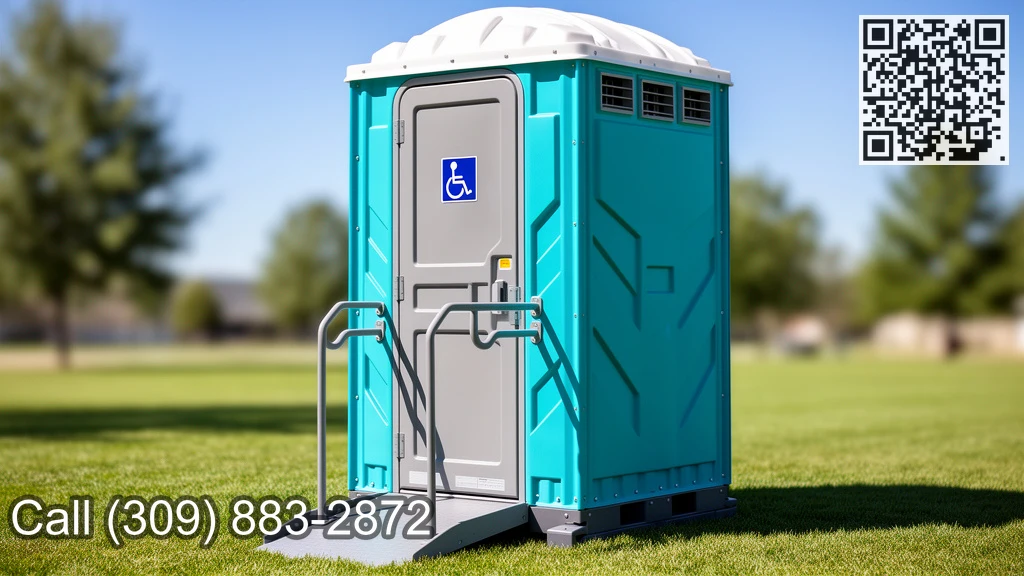
Better questions to ask your vendor and website team
You do not require to be an ADA professional to ask helpful concerns. In fact, ordinary language usually improves results than jargon. Ask whether the device provided is an ada certified mobile toilet or ada-compliant mobile toilet planned to please obtainable toilet needs. Ask how the entry and touchdown will be set up. Ask that validates the accessible course after positioning. Ask how the cluster count was computed if the site has numerous bathroom groups.
What you are actually doing is seeing to it nobody treats ease of access as a box checked at send off. Great vendors normally value this because it surface areas site constraints early. A careful carrier understands that also a proper unit can be undermined https://lanebqkc208.timeforchangecounselling.com/ada-certified-portable-restrooms-and-the-duty-of-entrance-clearances by a poor setup.
I would also pay attention to whether the responses stay focused on the real requirements. If the action is mainly "this is our mobility device unit, we utilize it everywhere," that is not nearly enough by itself. You desire self-confidence that the installment will certainly support the path, entryway, and navigating requires the ADA structure contemplates.
Accessibility is experienced at ground level
There is a human side to this that regulations alone do not catch. Needing an obtainable toilet is not unusual, and it is not uncommon. It impacts older adults, people with temporary injuries, wheelchair users, people with equilibrium restrictions, and numerous others. For some, the distinction between a functional and pointless arrangement is the distinction between remaining at an event and going home early. It can determine whether an employee really feels fit, whether a member of the family can attend conveniently, or whether a public occasion really invites the general public it says it serves.
That is why the entry and touchdown matter so much. They are the point where dignity is either sustained or silently weakened. An individual must not need to look for help, wait on a person to hold a door, or threat obtaining stuck since the "obtainable" toilet was put as an afterthought.
When an ada portable toilet is prepared well, the experience is uneventful in the very best possible means. The route makes sense. The marked device is where it should be. The entry is reachable. The touchdown functions. The door can be run. The interior supports usage. Nothing concerning that is fancy, yet it is proficient and respectful.
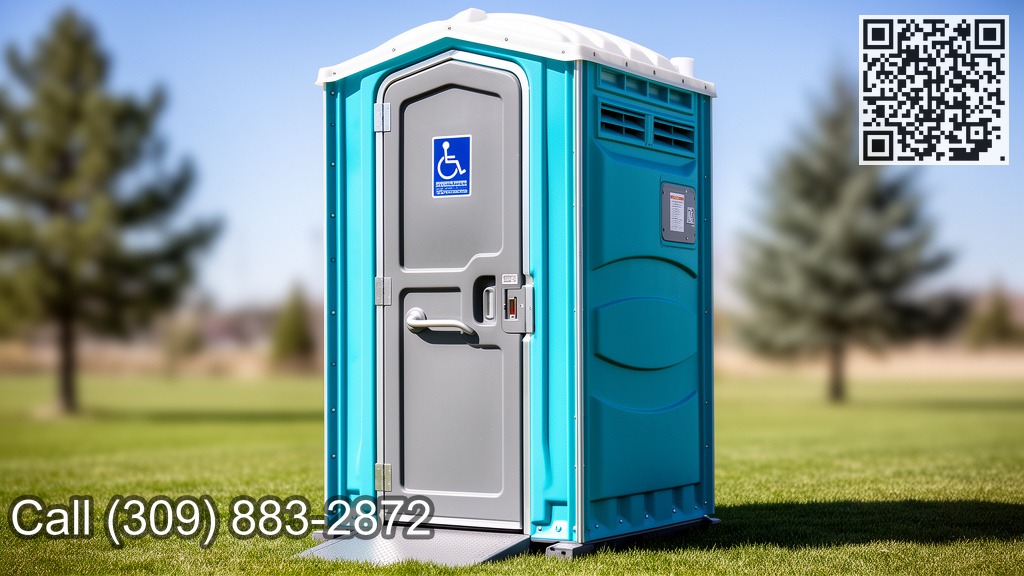
And that, greater than any type of label on a quote sheet, is what actual availability looks like.
 Ask ChatGPT
 Ask Grok
 Ask Perplexity
 Ask Claude
 Ask Google AI
 Ask You